Introduction
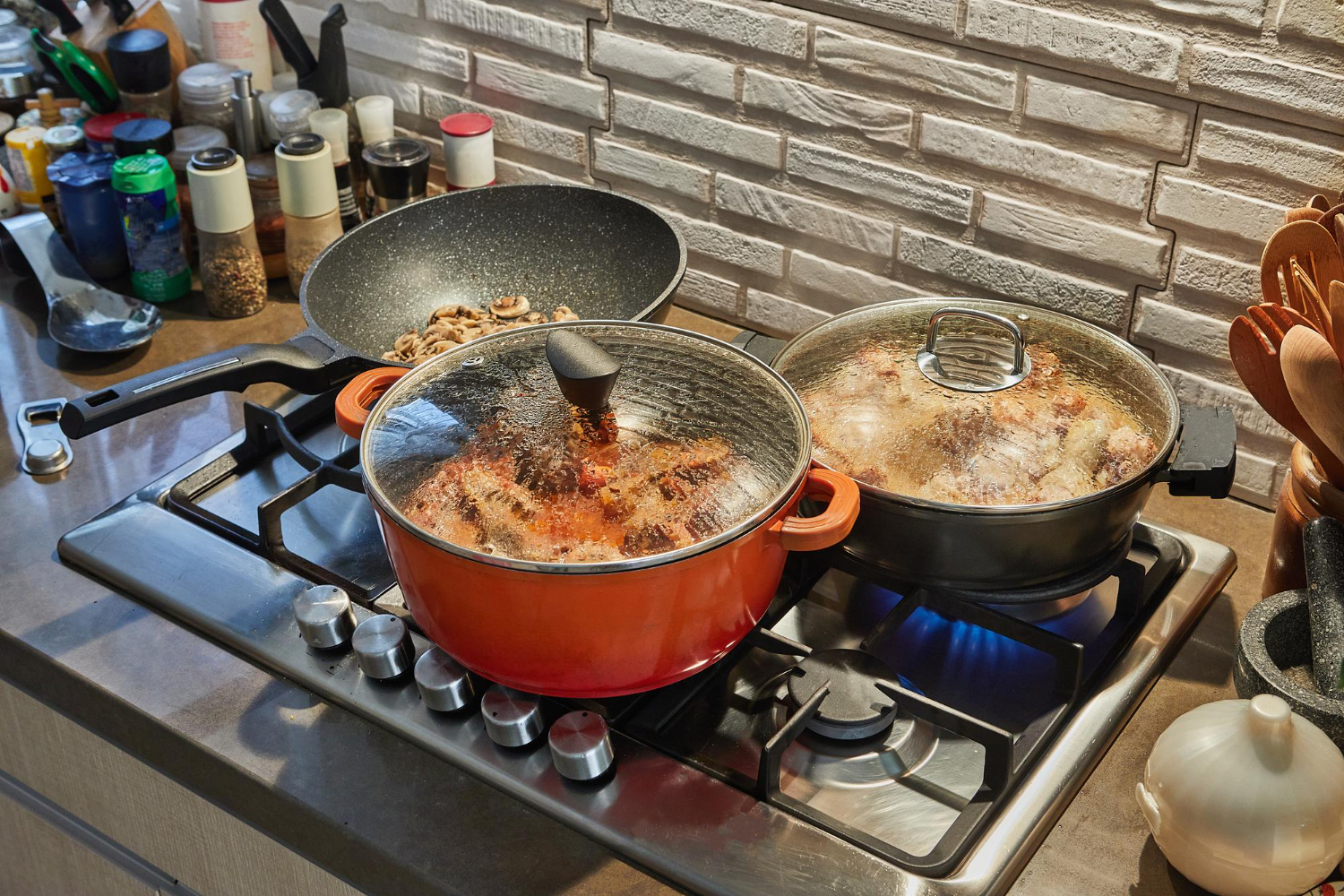
You do not need a kitchen full of pots and pans to cook well at home. Most everyday meals can be prepared with a few practical cookware pieces that match your routine. The goal is not to buy every pan available, but to choose cookware that helps with the meals you actually cook.
For many homes, daily cooking includes simple tasks like frying eggs, making pancakes, boiling pasta, reheating food, simmering sauces, preparing soups, or cooking quick dinners. Each of these tasks needs a different type of cookware. A frying pan may work well for breakfast, while a saucepan is better for sauces and reheating. A stock pot is useful when you cook pasta, soup, or larger meals.
That is why building a cookware collection should start with everyday use. Before adding too many pieces, think about what you cook most often, how many people you cook for, and how much storage space you have in your kitchen.
In this guide, we’ll look at the essential cookware every home kitchen should consider and how each piece supports daily cooking.
You can also explore Servappetit’s cookware for everyday home cooking to find skillets, saucepans, sauté pans, Dutch ovens, stock pots and frying pans for regular kitchen use.
Why Choosing the Right Cookware Matters
Cookware has a direct impact on how easy, comfortable, and consistent your cooking feels. The right pan or pot can make a simple recipe easier to manage, while the wrong one can make cooking feel messy, slow, or inconvenient.
For example, using a small saucepan for a large pasta recipe can lead to overcrowding and uneven cooking. Using a shallow frying pan for a saucy one-pan dinner may make stirring difficult. In the same way, using a large stock pot for a small portion of sauce can feel unnecessary and harder to clean.
Choosing the right cookware also helps you avoid clutter. Instead of buying a large cookware set with pieces you may rarely use, it is better to build your kitchen around the tasks you repeat most often.
Good cookware should support:
Daily breakfast and quick meals
Boiling, simmering, and reheating
Sautéing vegetables and proteins
Soups, pasta, and larger recipes
Family-style cooking and meal prep
Easy cleaning and storage
When your cookware matches your routine, cooking becomes more organized. You know which pan to reach for, which pot fits the recipe, and how each piece helps you move from prep to serving without confusion.
This is especially important for smaller kitchens, where every product should earn its space. A few useful cookware pieces can do more for your kitchen than a large collection of rarely used pans.
Frying Pan or Skillet for Daily Cooking
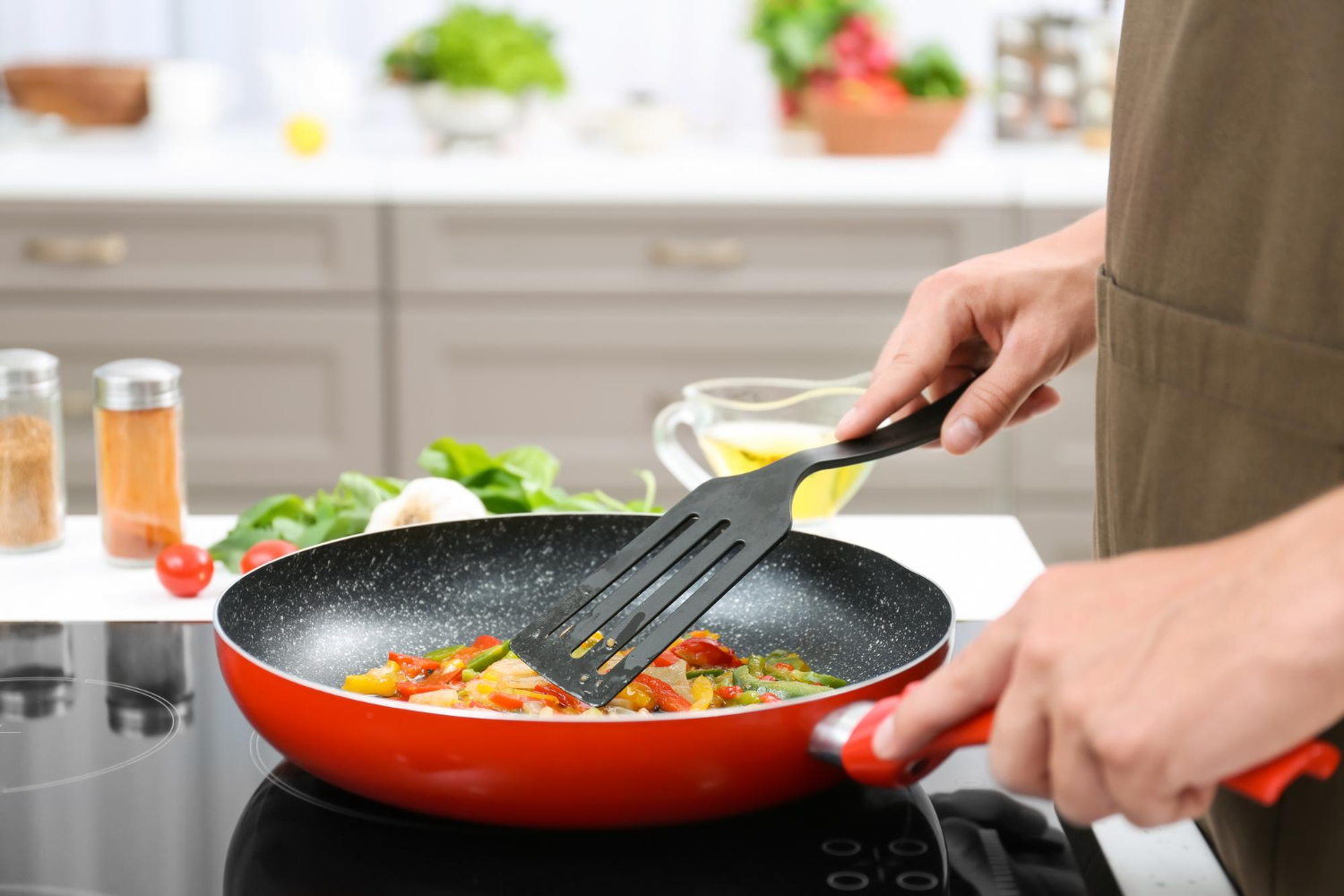
A frying pan or skillet is usually one of the first cookware pieces every home kitchen needs. It is used often because it supports quick, everyday cooking. From breakfast to dinner, this type of pan can handle many simple recipes without needing extra cookware.
A frying pan is useful for foods that cook quickly on the stovetop. You can use it for eggs, pancakes, toasted sandwiches, vegetables, and light frying. It is also helpful for reheating small portions or preparing quick meals when you do not want to use a larger pot.
A skillet is also a strong everyday option, especially when you want better browning, searing, or sautéing. It can be used for vegetables, proteins, quick dinner prep, and meals where you want more direct heat contact.
For most homes, either a frying pan or skillet can become the most-used cookware piece in the kitchen.
Best uses for a frying pan or skillet:
Eggs and omelets
Pancakes and breakfast foods
Vegetables
Toasted sandwiches
Light frying
Searing or browning ingredients
Quick stovetop meals
If your kitchen is still in the setup stage, start with one reliable frying pan or skillet before adding more specialized cookware. For everyday breakfast and light meals, a cast aluminum frying pan for everyday cooking can be a practical choice. For searing, browning, and regular stovetop meals, a skillet for frying and searing fits naturally into daily cooking routines.
Saucepan for Boiling, Simmering, and Reheating
A saucepan is another essential cookware piece for everyday kitchens. It is smaller and deeper than a frying pan, which makes it useful for recipes that need liquid, gentle heat, or controlled simmering.
You can use a saucepan for simple daily tasks like boiling eggs, cooking oatmeal, warming soup, preparing sauces, reheating leftovers, or making small portions of pasta. It is also useful when you do not want to use a large pot for a small recipe.
For many homes, a saucepan becomes one of the most practical cookware pieces because it supports both cooking and reheating. It is especially helpful for quick meals, side dishes, and smaller portions.
Best uses for a saucepan:
Boiling eggs
Preparing sauces
Cooking oatmeal
Reheating soup or leftovers
Simmering small recipes
Making small pasta portions
Preparing gravies or reductions
If you cook regularly at home, a saucepan for daily stovetop cooking is a useful piece to keep in your kitchen. It gives you more control for smaller recipes and helps handle tasks that a frying pan or stock pot may not be ideal for.
Sauté Pan for One-Pan Meals
A sauté pan is useful when you want more space and depth than a regular frying pan. It is designed for cooking ingredients that need movement, light liquid, or more volume. This makes it helpful for one-pan meals and dinner recipes.
You can use a sauté pan for vegetables, proteins, pasta with sauce, shallow cooking, and recipes where ingredients need to be stirred or tossed. The deeper shape makes it easier to cook meals that include sauces or multiple ingredients without spilling.
For home cooks who prepare dinner often, a sauté pan can become a strong everyday cookware piece. It gives you flexibility for meals that start with sautéing and then move into simmering or combining ingredients.
Best uses for a sauté pan:
Sautéed vegetables
Chicken or protein dishes
One-pan dinners
Pasta with sauce
Shallow cooking
Stir-style meals
Recipes with more ingredients or liquid
A sauté pan for one-pan meals is a good choice if you want cookware that can handle more than quick frying. It is especially useful for homes where dinner prep often includes vegetables, sauces, proteins, and mixed ingredients.
Stock Pot for Larger Recipes
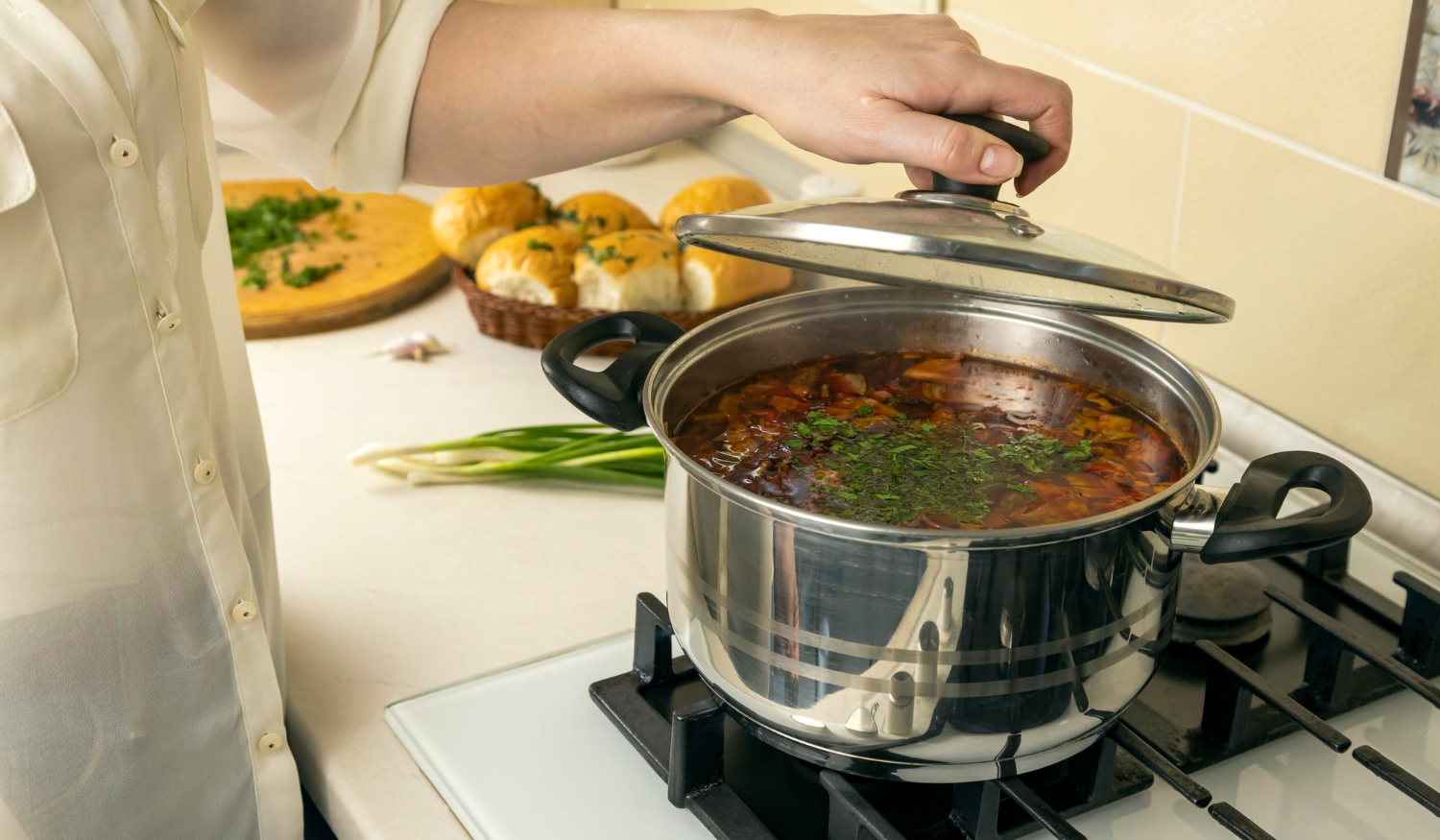
A stock pot is useful when you cook larger portions or recipes that need more depth. It may not be used as often as a frying pan or saucepan, but it becomes important when you need to boil, simmer, or prepare food in bigger quantities.
You can use a stock pot for pasta, soups, broths, boiled vegetables, corn, stews, and batch cooking. It is also helpful for families or anyone who likes preparing food ahead of time.
If you often cook meals for more than one or two people, a stock pot can save time and make larger recipes easier to manage. Instead of overcrowding a smaller saucepan, you get enough space for ingredients, water, and movement while cooking.
Best uses for a stock pot:
Pasta
Soups
Broths
Boiling vegetables
Family meals
Batch cooking
Larger recipes
A stock pot for soups and pasta is a practical addition once your basic cookware needs are covered. It gives your kitchen the flexibility to handle larger meals, meal prep, and recipes that need more cooking space.
Dutch Oven for Slow Cooking and Family Meals
A Dutch oven is useful for recipes that need depth, steady heat, and longer cooking time. It is often used for meals that cook slowly or need enough space for ingredients, liquid, and movement.
You can use a Dutch oven for stews, soups, braised dishes, slow-cooked meals, and family-style recipes. It works well when you want to cook ingredients together over time and build deeper flavor.
A Dutch oven may not be the first cookware piece every kitchen needs, but it becomes valuable if you often cook larger meals, comfort food, or recipes that need slow simmering.
Best uses for a Dutch oven:
Stews
Soups
Braising
Slow-cooked meals
Larger family recipes
One-pot meals
Comfort food recipes
A Dutch oven for slow cooking is a good addition once your basic cookware pieces are already covered. It gives your kitchen more flexibility for meals that need more depth, longer cooking time, and larger capacity.
Do You Need Every Cookware Piece at Once?
No, you do not need to buy every cookware piece at the same time. A practical cookware setup can be built slowly based on your cooking routine.
If you cook simple meals, start with the pieces you will use most often. For many homes, that means a frying pan or skillet first, followed by a saucepan. These two pieces can handle many daily tasks like eggs, pancakes, vegetables, reheating, sauces, and smaller meals.
After that, you can add cookware based on what you cook more often. If you make one-pan dinners, add a sauté pan. If you cook pasta, soup, or larger meals, add a stock pot. If you enjoy slow-cooked meals, stews, or family-style recipes, a Dutch oven can be a useful upgrade.
Simple cookware setup order:
Start with a frying pan or skillet
Add a saucepan for boiling, simmering, and reheating
Add a sauté pan for one-pan meals
Add a stock pot for pasta, soups, and larger recipes
Add a Dutch oven for slow cooking and deeper meals
This approach helps you avoid clutter and spend on cookware that actually fits your kitchen routine.
If you are also setting up a compact kitchen, you can apply the same logic used in our guide on how to choose kitchen appliances for a small kitchen: start with what you use often, then add products only when they solve a real need.
How Cookware Works with Appliances and Tabletop Products
Cookware is only one part of a complete kitchen setup. The best kitchen routines usually include cookware for cooking, appliances for quick prep, and tabletop products for serving or presentation.
For example, a frying pan can help with eggs or pancakes, while a toaster and kettle can support quick breakfast routines. A saucepan can help with oatmeal or sauces, while a blender can support smoothies, dips, and other blended recipes.
Tabletop products also make cooking and serving easier. A cutting board helps with ingredient prep before cooking. A serving bowl can be used for salads, fruits, snacks, or finished dishes. A condiment server can help organize dips, toppings, and sauces during meals.
Useful kitchen setup examples:
Frying pan + toaster for quick breakfast
Saucepan + kettle for oatmeal, tea, coffee, and hot water routines
Skillet + cutting board for vegetable prep and quick dinners
Stock pot + serving bowl for soups, pasta, and family meals
Dutch oven + tabletop essentials for slow-cooked meals and serving
If you are building a practical home kitchen, explore kitchen appliances for everyday routines and tabletop essentials for serving and prep along with your cookware. This helps create a kitchen that supports cooking, preparation, and serving together.
Final Thoughts
Every home kitchen needs cookware that supports real cooking habits. You do not need to buy every pot and pan at once. A simple setup with a frying pan or skillet, saucepan, sauté pan, stock pot, and Dutch oven can cover most daily cooking needs.
Start with the cookware you will use most often. If you cook breakfast daily, begin with a frying pan or skillet. If you often make sauces, soups, or small portions, add a saucepan. If your meals are usually larger or family-style, a stock pot or Dutch oven can become more useful.
The best cookware setup is the one that makes your regular meals easier to prepare. Choose pieces based on your routine, kitchen space, and the recipes you cook most often.
To build a practical kitchen setup, explore Servappetit cookware and choose cookware pieces that support everyday home cooking.
FAQs
What cookware should every home kitchen have?
Every home kitchen should have a few practical cookware pieces such as a frying pan or skillet, saucepan, sauté pan, stock pot, and Dutch oven. These cover common cooking tasks like frying, boiling, simmering, sautéing, reheating, soups, pasta, and family meals.
Is a skillet better than a frying pan?
A skillet and frying pan are both useful for everyday cooking, but they can serve slightly different needs. A frying pan is good for eggs, pancakes, and quick meals, while a skillet is helpful for searing, browning, vegetables, and regular stovetop cooking.
Do I need both a saucepan and a stock pot?
Yes, both can be useful because they serve different purposes. A saucepan is better for smaller portions, sauces, soups, oatmeal, and reheating. A stock pot is better for larger recipes like pasta, broths, soups, and family-size meals.
What cookware is best for small kitchens?
For small kitchens, start with versatile cookware first. A frying pan or skillet and a saucepan can handle many everyday cooking tasks. You can add a stock pot, sauté pan, or Dutch oven later based on your cooking needs and storage space.
Should I buy cookware one piece at a time or as a set?
If you are not sure what you need, buying one piece at a time can be better. It helps you choose cookware based on your actual cooking routine instead of buying a large set with pieces you may not use often.
