Introduction
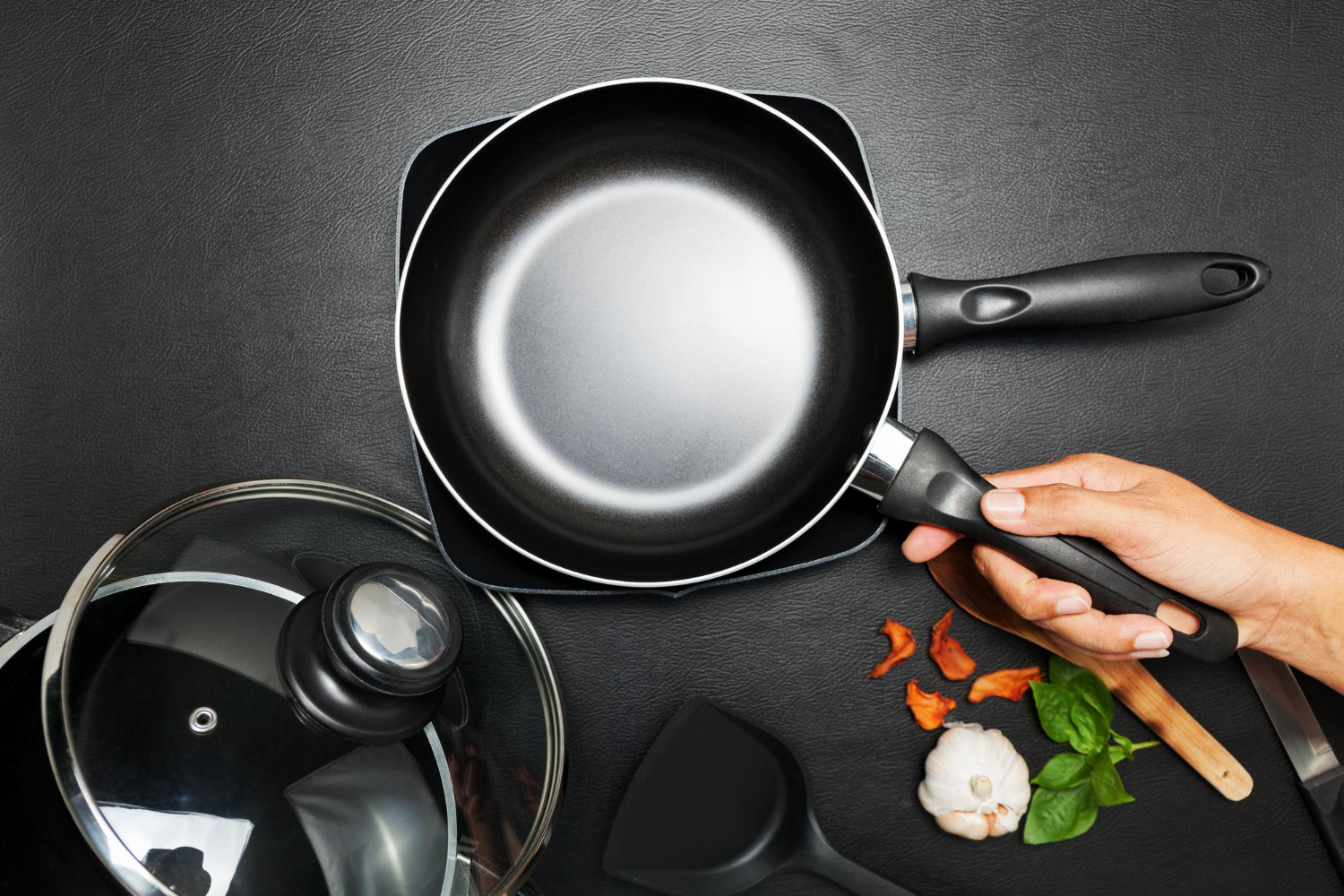
Skillets, frying pans, and sauté pans are some of the most commonly used cookware pieces in a home kitchen. At first, they may look similar, but each one works slightly differently and is better suited for certain cooking tasks.
A frying pan is often used for quick everyday cooking like eggs, pancakes, vegetables, and light frying. A skillet is useful for browning, searing, and regular stovetop meals. A sauté pan gives you more depth, making it helpful for one-pan dinners, vegetables, proteins, and recipes that include sauces or more ingredients.
Choosing between them depends on what you cook most often. If your kitchen routine includes quick breakfasts, a frying pan may be enough. If you cook meats, vegetables, and stovetop meals regularly, a skillet can be useful. If you prefer one-pan dinners or meals with sauces, a sauté pan may be a better fit.
In this guide, we’ll explain the difference between a skillet, frying pan, and sauté pan so you can choose the right cookware for your kitchen.
You can also explore Servappetit’s cookware for everyday home cooking if you are comparing pans for regular home use.
Quick Comparison: Skillet vs Frying Pan vs Sauté Pan
Before choosing the right pan, it helps to understand how each cookware piece is commonly used. A skillet, frying pan, and sauté pan can overlap in daily cooking, but each one works better for a slightly different purpose.
A skillet is useful when you want strong stovetop performance for searing, browning, frying, and regular cooking. It works well for eggs, vegetables, proteins, and quick dinners where direct heat and surface contact matter.
A frying pan is best for lighter everyday meals and breakfast-style cooking. It is commonly used for eggs, pancakes, toasted sandwiches, vegetables, and quick recipes that do not need much depth or liquid.
A sauté pan is better when the recipe needs more space, more depth, or more ingredients. It works well for vegetables, proteins, pasta with sauce, shallow cooking, and one-pan meals where you need room to stir or combine ingredients.
So, instead of choosing based only on the pan name, think about what you cook most often. If you mostly prepare quick breakfast foods, a frying pan may be enough. If you want one pan for browning, searing, and regular meals, a skillet can be more useful. If your cooking often includes sauces, vegetables, proteins, or larger portions, a sauté pan may be the better choice.
What Is a Skillet?
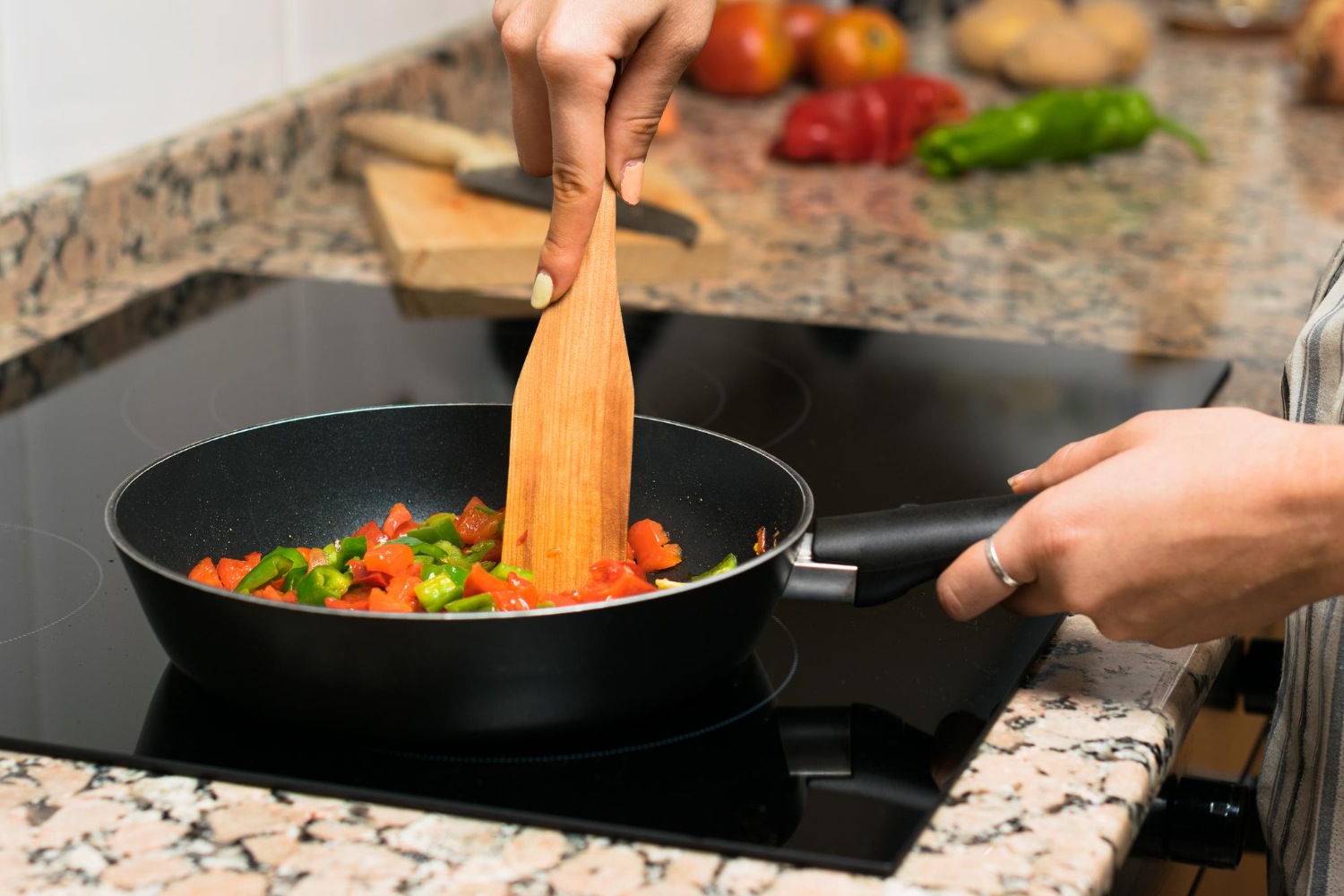
A skillet is a versatile cookware piece used for regular stovetop cooking. It is commonly used for frying, searing, browning, and sautéing ingredients. In many home kitchens, a skillet becomes one of the most frequently used pans because it can handle many everyday recipes.
You can use a skillet for eggs, vegetables, chicken, quick dinners, and meals where browning or direct heat contact matters. It works well when you want food to cook evenly on the surface and develop better color or texture.
A skillet is especially useful for recipes where ingredients need to be cooked quickly over medium to high heat. For example, you can use it to brown vegetables, sear protein, or prepare a quick stovetop meal without using multiple pots and pans.
Best uses for a skillet:
Frying eggs or vegetables
Searing chicken or other proteins
Browning ingredients
Preparing quick dinners
Cooking breakfast foods
Light sautéing
Everyday stovetop meals
If you want a pan that can support both breakfast and dinner prep, a Hex Lined Skillet for frying and searing can be a practical option for daily cooking.
What Is a Frying Pan?
A frying pan is one of the most practical cookware pieces for everyday home cooking. It is usually used for quick stovetop tasks where food needs direct heat and easy turning.
Frying pans are especially useful for breakfast and light meals. You can use one for eggs, pancakes, toasted sandwiches, vegetables, and simple fried foods. Since many recipes made in a frying pan cook quickly, it is a good choice for busy mornings or simple weekday meals.
A frying pan is also helpful when you want cookware that is easy to use without needing too much depth. It works well for foods that do not need a lot of liquid or long cooking time.
Best uses for a frying pan:
Eggs and omelets
Pancakes
Toasted sandwiches
Light frying
Vegetables
Quick reheating
Simple breakfast meals
For homes that need a reliable pan for daily use, a Cast Aluminum Frying Pan for everyday meals can support quick cooking, breakfast prep, and light stovetop recipes.
What Is a Sauté Pan?
A sauté pan is designed for recipes that need more space, more depth, or a little more control while cooking. Compared to a frying pan, a sauté pan usually works better when your recipe includes more ingredients, liquids, sauces, or movement.
You can use a sauté pan for vegetables, proteins, pasta with sauce, shallow cooking, and one-pan dinners. The deeper shape helps keep ingredients inside the pan while stirring, tossing, or simmering.
This makes a sauté pan useful for home cooks who prepare regular dinners and want one pan that can handle more than eggs or pancakes. It is especially helpful for meals where you start by sautéing ingredients and then add sauce, liquid, or extra components.
Best uses for a sauté pan:
Sautéed vegetables
Chicken or protein dishes
One-pan dinners
Pasta with sauce
Shallow cooking
Stir-style meals
Recipes with more ingredients
If you often prepare vegetables, proteins, or quick dinner recipes, a sauté pan for vegetables and one-pan meals can be a useful addition to your cookware setup.
Which One Should You Use for Breakfast?
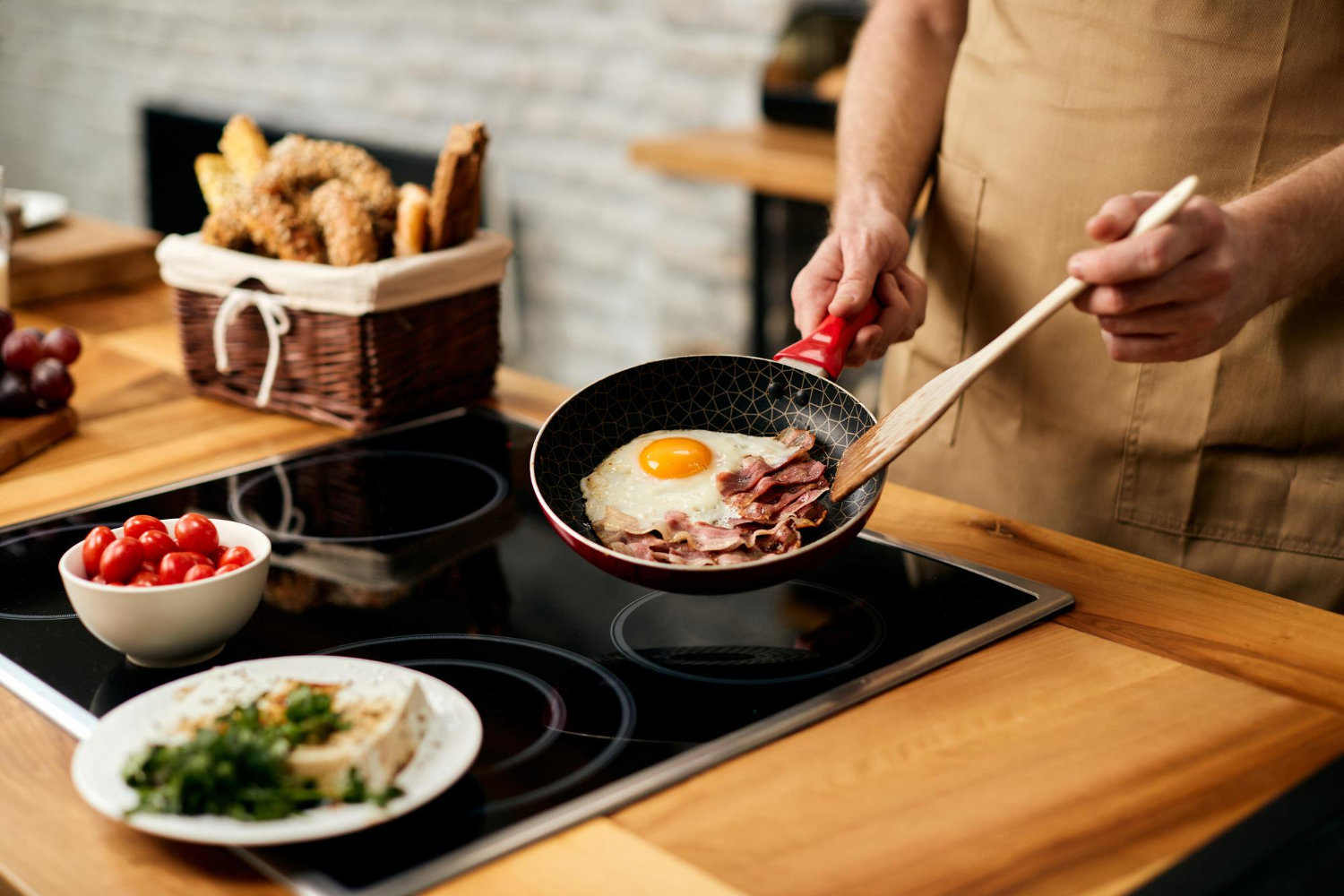
For breakfast, a frying pan is usually the most practical choice. It is easy to use for eggs, pancakes, toasted sandwiches, breakfast vegetables, and quick reheating. If your morning routine is simple, a frying pan may be enough for most breakfast recipes.
A skillet can also work well for breakfast, especially if you want better browning or a slightly more versatile pan. It can handle eggs, vegetables, and quick stovetop meals, while also being useful later in the day for lunch or dinner.
A sauté pan is not always necessary for basic breakfast prep, but it can be helpful if you cook larger portions or breakfast recipes with more ingredients, such as vegetables, proteins, or saucy dishes.
Breakfast routines also work better when cookware is paired with the right appliances. A frying pan can support eggs or pancakes, while a toaster, kettle, blender, or hand mixer can help with toast, hot drinks, smoothies, and batter. For more ideas, read our guide on the best kitchen appliances for quick breakfast routines.
Which One Should You Use for Dinner?
For dinner, the best pan depends on the type of meal you are preparing. If you are cooking something quick and simple, a frying pan or skillet may be enough. If your recipe includes more ingredients, sauce, or a larger portion, a sauté pan usually works better.
A skillet is useful for quick dinner recipes where you want browning or searing. You can use it for vegetables, chicken, sandwiches, or simple stovetop meals. A frying pan also works well for lighter dinners, especially when the recipe does not need much liquid.
A sauté pan is often the better option for one-pan dinners because it gives you more depth and space. It makes it easier to cook vegetables, proteins, pasta, and sauces together without spilling. If your dinner routine often includes mixed ingredients and sauces, a sauté pan for one-pan meals can be more practical than a shallow frying pan.
For a broader cookware setup, you can also read our guide on what cookware every home kitchen needs, where we explain how frying pans, saucepans, stock pots, sauté pans, and Dutch ovens fit into daily cooking.
Which One Is Best for Small Kitchens?
For small kitchens, it is better to choose cookware based on versatility. You may not have space for every pan, so the goal is to pick cookware that supports the meals you cook most often.
A frying pan is a good starting point if you mostly cook breakfast, eggs, pancakes, sandwiches, and quick meals. A skillet is slightly more versatile if you also want to sear, brown, or cook simple dinners. A sauté pan is useful if you prepare one-pan meals or larger portions, but it may need more storage space than a basic frying pan.
If you are setting up a small kitchen from scratch, start with one daily-use pan and one saucepan before adding more specialized cookware. This helps you avoid clutter while still covering regular cooking needs.
The same buying logic applies when choosing appliances. If you are also planning your countertop setup, our guide on how to choose kitchen appliances for a small kitchen can help you think through space, storage, and daily use before adding more products.
Can One Pan Replace the Others?
One pan can cover many tasks, but it may not replace every cookware piece perfectly. A frying pan, skillet, and sauté pan can overlap, but each one works better in certain situations.
A frying pan is convenient for quick, flat-surface cooking. It works well for eggs, pancakes, sandwiches, and simple meals. A skillet is better when you want stronger stovetop performance for browning, searing, and regular cooking. A sauté pan gives you more depth, making it better for saucy recipes, vegetables, proteins, and one-pan meals.
For many homes, the best starting point is a frying pan or skillet. Once you understand your cooking routine better, you can add a sauté pan for deeper recipes or a stock pot and Dutch oven for larger meals. If you are still building your kitchen setup, our blog on what cookware every home kitchen needs can help you decide which cookware pieces to buy first.
If your one-pan meals often start with prep work like blending sauces, mixing batter, or making breakfast items, you may also find it useful to explore kitchen appliances for everyday routines alongside your cookware.
Final Thoughts
A skillet, frying pan, and sauté pan can all support everyday cooking, but they are not exactly the same. The right choice depends on what you cook most often and how much flexibility you need from one pan.
A frying pan is a practical choice for breakfast foods, quick meals, eggs, pancakes, and light frying. A skillet is useful when you want a more versatile pan for browning, searing, vegetables, proteins, and regular stovetop cooking. A sauté pan works better when your recipes need more depth, more ingredients, or sauce.
For most home kitchens, a frying pan or skillet is a good starting point. If you cook one-pan dinners, vegetables, proteins, or saucy meals often, adding a sauté pan can make dinner prep easier.
To compare more cookware pieces beyond pans, you can also read our blog on what cookware every home kitchen needs. And if you are ready to explore options, browse Servappetit’s cookware for everyday home cooking.
FAQs
Is a skillet the same as a frying pan?
A skillet and frying pan are often used for similar cooking tasks, but they can differ in shape, depth, and cooking use. A frying pan is commonly used for quick foods like eggs and pancakes, while a skillet is often useful for browning, searing, vegetables, and everyday stovetop meals.
What is a sauté pan used for?
A sauté pan is used for recipes that need more depth and space. It works well for sautéed vegetables, proteins, pasta with sauce, one-pan meals, and recipes where you need to stir or combine more ingredients.
Can I use a frying pan instead of a skillet?
Yes, a frying pan can replace a skillet for many simple recipes like eggs, pancakes, sandwiches, and light frying. However, a skillet may be better when you want stronger browning, searing, or regular stovetop cooking.
Which pan is best for eggs and pancakes?
A frying pan is usually best for eggs and pancakes because it is easy to handle and works well for quick breakfast foods. A skillet can also be used if you want one pan that supports breakfast and dinner cooking.
Which pan is best for one-pan meals?
A sauté pan is usually better for one-pan meals because it has more depth and space. It can handle vegetables, proteins, sauces, and mixed ingredients more comfortably than a shallow frying pan.
