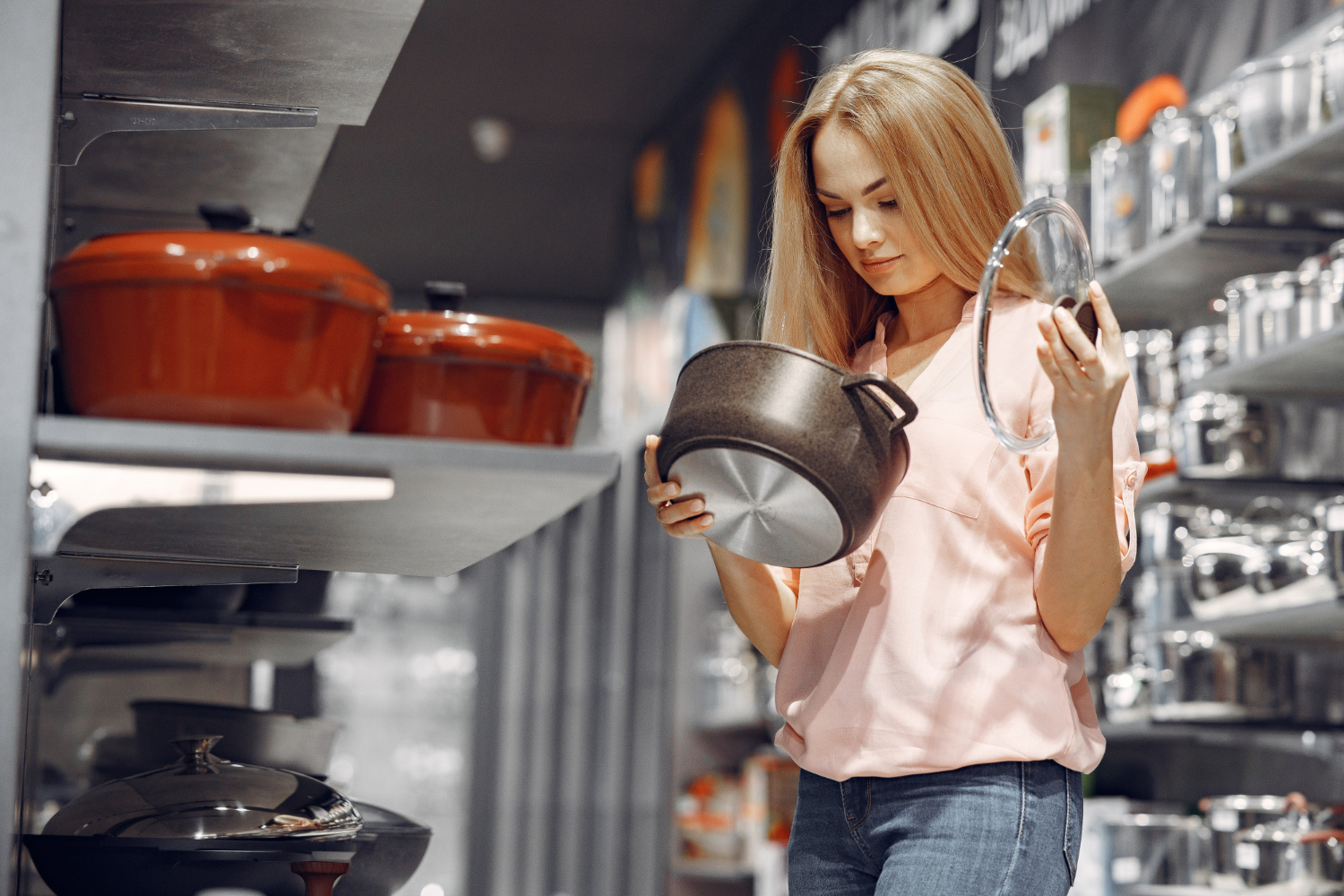
Introduction
The best cookware for your kitchen is not always the biggest set or the most expensive option. It is the cookware that matches what you actually cook at home.
Some people cook breakfast every day and need a reliable frying pan or skillet. Some prepare soups, sauces, and small meals, so a saucepan becomes more useful. Others cook family dinners, pasta, stews, or one-pan meals, where a stock pot, Dutch oven, or sauté pan may be a better fit.
That is why cookware should be chosen around your cooking habits. Before buying a new pan or pot, think about the meals you prepare most often, how many people you cook for, and how much kitchen space you have.
If you are still building your cookware setup, you can first read our guide on what cookware every home kitchen needs. It explains the basic cookware pieces most homes should consider. Once you know the essentials, this guide will help you choose cookware based on your personal cooking routine.
You can also explore the Servappetit cookware collection to compare frying pans, skillets, saucepans, sauté pans, stock pots, and Dutch ovens for everyday home cooking.
Start with Your Daily Cooking Routine
Before choosing cookware, look at your regular cooking pattern. A product may look useful, but it should only take space in your kitchen if it supports the meals you prepare often.
Start by asking a few simple questions:
Do you cook breakfast every day?
Do you make sauces, soups, or oatmeal often?
Do you cook mostly for yourself, two people, or a family?
Do you prefer quick meals or slow-cooked recipes?
Do you make pasta, broths, or larger meals regularly?
Do you need cookware for one-pan dinners?
These questions make the buying decision much easier. For example, if you cook eggs, pancakes, and quick breakfast meals often, a frying pan or skillet should be your first priority. If you mostly reheat food, make sauces, or prepare small portions, a saucepan may be more useful. If you cook larger meals, a stock pot or Dutch oven will make more sense.
This is also where cookware connects with your overall kitchen setup. If you are choosing both cookware and appliances for a smaller kitchen, our guide on how to choose kitchen appliances for a small kitchen can help you think about space, storage and daily use before adding more products.
The goal is simple: choose cookware that solves a real cooking need, not cookware that only looks good in a set.
If You Cook Breakfast Often
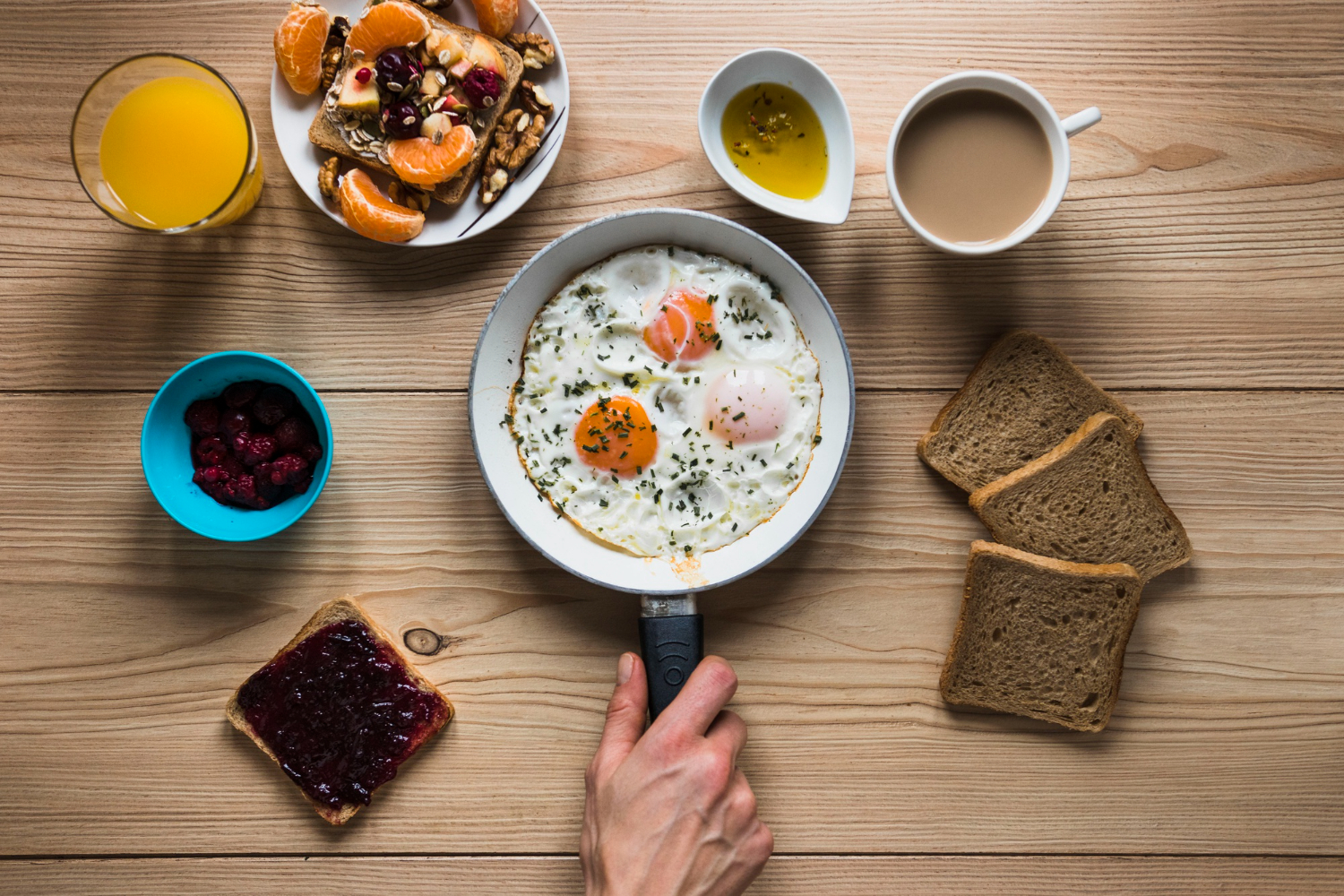
If breakfast is part of your daily routine, start with cookware that handles quick stovetop meals. A frying pan or skillet is usually the most useful choice for breakfast because it works well for foods that cook quickly and need direct heat.
You can use a frying pan for eggs, omelets, pancakes, toasted sandwiches, breakfast vegetables, and quick reheating. A skillet can also support breakfast, especially if you want one pan that can later be used for searing, browning, and dinner prep.
Breakfast cookware also works better when paired with the right appliances. A frying pan can help with pancakes or eggs, while a toaster, kettle, blender, or hand mixer can support toast, hot drinks, smoothies, or batter. For more ideas, you can link to the blog on best kitchen appliances for quick breakfast routines.
If you are still confused between similar pans, the blog on skillet vs frying pan vs sauté pan can help users understand which pan is better for eggs, pancakes, searing, or one-pan meals.
If You Cook Sauces, Soups, or Small Portions
If your regular cooking includes sauces, soups, oatmeal, reheating, or smaller meals, a saucepan or sauce pot should be one of your main cookware pieces.
A saucepan is useful because it gives you more depth than a frying pan and better control than a large stock pot when cooking smaller quantities. You can use it for simmering sauces, boiling eggs, warming soup, preparing oatmeal, reheating leftovers, or making small pasta portions.
This type of cookware is especially helpful for everyday home cooking because it handles many small tasks without needing a large pot. If you cook for one or two people, or you often prepare side dishes and sauces, a saucepan for sauces and reheating can be a practical choice.
A saucepan also works well with appliances in your kitchen routine. For example, a kettle can quickly provide hot water, while a saucepan can finish oatmeal, soups, or small recipes on the stovetop. If you are planning your full kitchen setup, you can also explore kitchen appliances for everyday routines along with cookware.
If You Cook Family Meals or Larger Portions
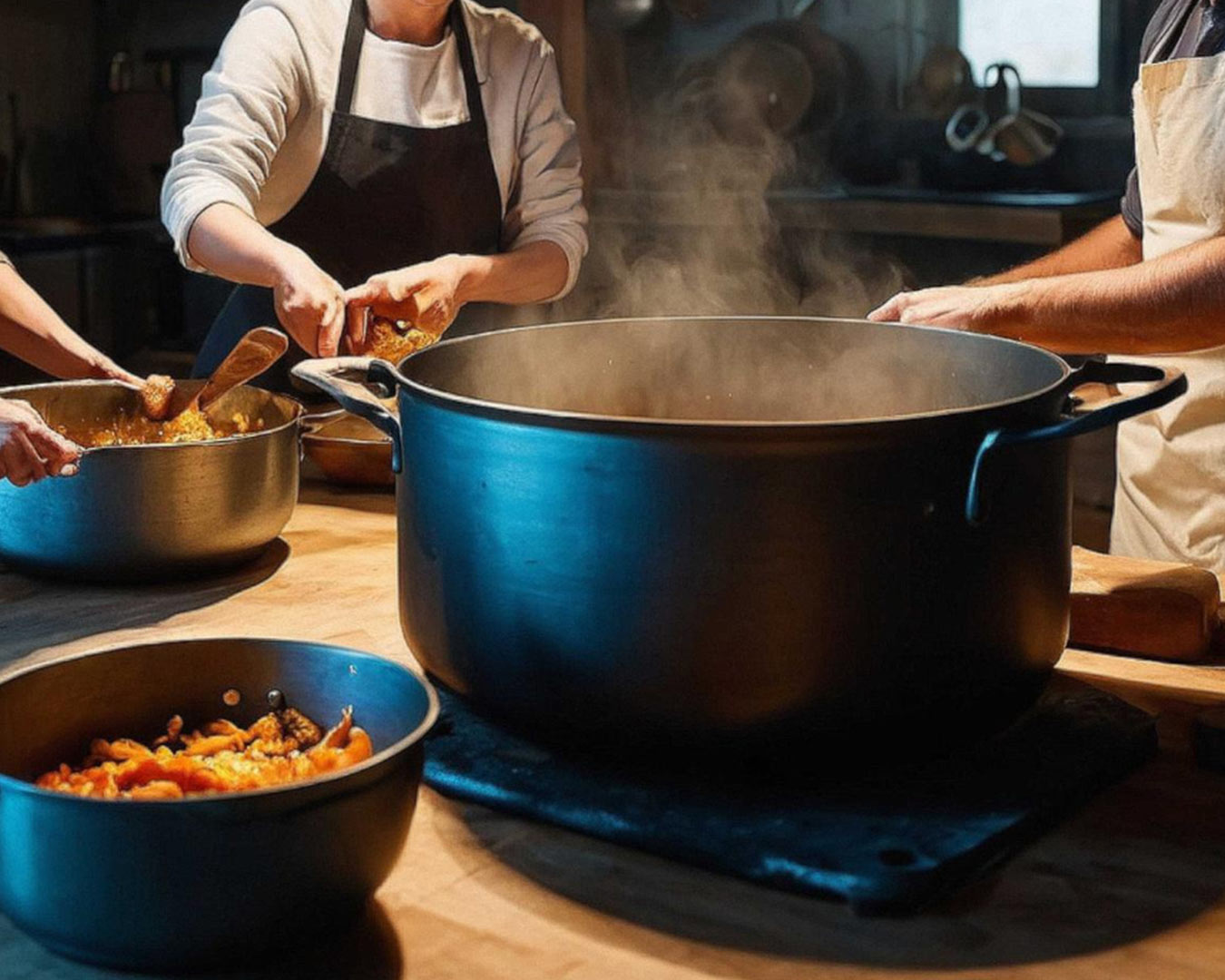
If you often cook for a family or prepare larger meals, you will need cookware with more capacity. This is where a stock pot or Dutch oven becomes useful.
A stock pot is helpful for recipes that need more water, space, or volume. You can use it for pasta, soups, broths, boiling vegetables, meal prep, and larger portions. A stock pot for family cooking is especially useful when smaller cookware feels crowded or difficult to manage.
A Dutch oven is better suited for deeper recipes, slow-cooked meals, stews, braising, and family-style dishes. It gives you enough room for ingredients and liquid while supporting recipes that need longer cooking time. If your home meals often include soups, stews, or comfort food, a Dutch oven for soups and stews can be a strong addition.
For a broader understanding of where these pieces fit, you can read our blog on what cookware every home kitchen needs. It explains how stock pots, Dutch ovens, saucepans, frying pans, and sauté pans work together in a practical cookware setup.
If You Prefer One-Pan Dinners
If you like cooking meals with vegetables, proteins, sauces, or pasta in one pan, a sauté pan can be one of the most useful cookware pieces in your kitchen.
A sauté pan gives you more depth than a regular frying pan, making it easier to stir, toss, and combine ingredients without spilling. It works well for weeknight dinners where you want to cook vegetables, add protein, mix in sauce, and finish the meal in the same pan.
You can use a sauté pan for chicken dishes, sautéed vegetables, pasta with sauce, shallow cooking, and mixed meals. A sauté pan for one-pan dinners is a good option if your recipes often need more space than a frying pan can provide.
If you are comparing pan types before buying, the blog on skillet vs frying pan vs sauté pan can help you understand when a sauté pan makes more sense than a skillet or frying pan. This is useful when you want to avoid buying similar cookware pieces that do not match your routine.
If You Have a Small Kitchen
If you have a small kitchen, your cookware choices should be practical and space-friendly. Instead of buying too many pots and pans, focus on pieces that can handle more than one regular task.
A frying pan or skillet is a good starting point because it can support breakfast, vegetables, quick meals, and light stovetop cooking. A saucepan is also useful because it helps with boiling, simmering, reheating, sauces, and small portions. These two pieces can cover many everyday cooking needs without taking up too much space.
If you have more storage or cook larger meals, you can add a sauté pan, stock pot, or Dutch oven later. But in a small kitchen, it is better to start with cookware that you will use often.
This is similar to choosing appliances for limited space. If you are setting up a compact kitchen, our guide on how to choose kitchen appliances for a small kitchen can help you think about storage, counter space, and daily-use products together.
You can also read what cookware every home kitchen needs if you want a simple starting list before adding more cookware pieces.
If You Want a Better Prep-to-Serve Setup
Cookware is important, but a good kitchen setup also needs products that support preparation and serving. This is where tabletop products can make your routine easier.
For example, a cutting board helps with chopping vegetables, slicing bread, or preparing ingredients before cooking. A serving bowl can be used for salads, fruits, snacks, or finished dishes. A condiment server can help organize sauces, dips, toppings, and small sides during meals.
If you often cook and serve food at home, pair your cookware with tabletop products for prep and serving. This helps create a smoother flow from preparation to cooking and finally to the dining table.
For example:
Use a cutting board before cooking vegetables in a skillet or sauté pan.
Use a serving bowl for pasta, salad, or family-style meals.
Use a condiment server for sauces, toppings, and dips.
Use wood utensils for mixing, stirring, and serving.
This makes your kitchen setup more complete, especially if you regularly cook meals for family or guests.
Common Cookware Buying Mistakes to Avoid
Choosing cookware becomes easier when you know what to avoid. Many shoppers buy cookware based on looks, large sets, or discounts, but the best choice should always come back to your cooking routine.
One common mistake is buying too many pieces at once. A large cookware set may look useful, but some pieces may stay unused if they do not match your meals. It is better to start with a frying pan or skillet, saucepan, and then add other pieces based on need.
Another mistake is choosing cookware without thinking about size. A pan that is too small can feel limiting, while a pot that is too large may be harder to clean and store. Always consider how many people you cook for and how much kitchen space you have.
You should also avoid choosing cookware only by design. Looks matter, but daily handling, use case, storage, and cleaning matter more for regular cooking.
This buying mindset also applies to appliances. Just like cookware, appliances should be chosen based on routine and kitchen space. You can use a similar approach from our guide on things to consider before buying kitchen appliances online when planning your overall kitchen setup.
Final Thoughts
Choosing cookware becomes much easier when you start with your actual cooking routine. Instead of buying every pot and pan at once, think about the meals you prepare most often and choose cookware that supports those tasks.
If you cook breakfast regularly, start with a frying pan or skillet. If you make sauces, soups, oatmeal, or smaller portions, a saucepan is useful. If you cook larger family meals, pasta, broths, or stews, a stock pot or Dutch oven can make cooking easier. If your weeknight meals often include vegetables, proteins, sauces, or one-pan recipes, a sauté pan may be the better fit.
A practical cookware setup should make your daily cooking smoother, not make your kitchen feel crowded. Start with the cookware you will use often, then add more pieces as your cooking habits grow.
To compare more options, explore Servappetit’s cookware for everyday home cooking or read our guide on skillet vs frying pan vs sauté pan if you are deciding between different pan types.
FAQs
How do I choose cookware for everyday cooking?
Choose cookware based on the meals you cook most often. A frying pan or skillet is useful for breakfast and quick meals, a saucepan works well for sauces and reheating, a sauté pan supports one-pan dinners, and a stock pot or Dutch oven is better for larger recipes.
What cookware is best for breakfast?
A frying pan or skillet is usually best for breakfast. You can use it for eggs, pancakes, omelets, toasted sandwiches, breakfast vegetables, and quick reheating.
What cookware should I buy first?
Start with a frying pan or skillet and a saucepan. These two pieces can handle many everyday tasks, including breakfast, quick meals, reheating, sauces, boiling, and smaller recipes.
Do I need both a Dutch oven and a stock pot?
Both are useful, but they serve different needs. A stock pot is better for pasta, soups, broths, and boiling larger portions. A Dutch oven is better for slow-cooked meals, stews, braising, and deeper family-style recipes.
What cookware is best for small kitchens?
For small kitchens, choose versatile cookware first. A frying pan or skillet and a saucepan are good starting pieces because they support many daily cooking tasks without taking up too much storage space.
